Chimney Cap Installation Lynbrook NY: What Homeowners Should Know
A chimney cap does more than cover the top of a chimney. A properly designed cap can help keep rain, animals, and debris out while also supporting proper chimney operation. Yet many homeowners in Lynbrook, Baldwin, East Rockaway, and Oceanside overlook the condition of the cap until they notice water damage or another chimney problem.
Here are several common misconceptions about chimney cap installation and what homeowners should know before replacing or installing one.
“My Chimney Is Fine Because I Never See Water Inside”
Water damage does not always appear as an obvious leak in the fireplace or ceiling. Moisture can enter through the chimney top or other areas such as damaged masonry, flashing, or the crown before visible interior damage develops.
The Chimney Safety Institute of America identifies water as a major source of chimney deterioration. It recommends measures such as chimney caps, crown maintenance, flashing repairs, and appropriate waterproofing to help reduce water intrusion.
A missing or damaged cap is therefore worth addressing even when you do not see water inside the house. A chimney inspection can also help determine whether the crown, flashing, masonry, or flue has already been affected.
“A Cap Is Just a Rain Cover. Any Cap Will Do”
Chimney caps come in different designs and materials. The correct choice depends on the chimney configuration, flue dimensions, appliance, and applicable requirements.
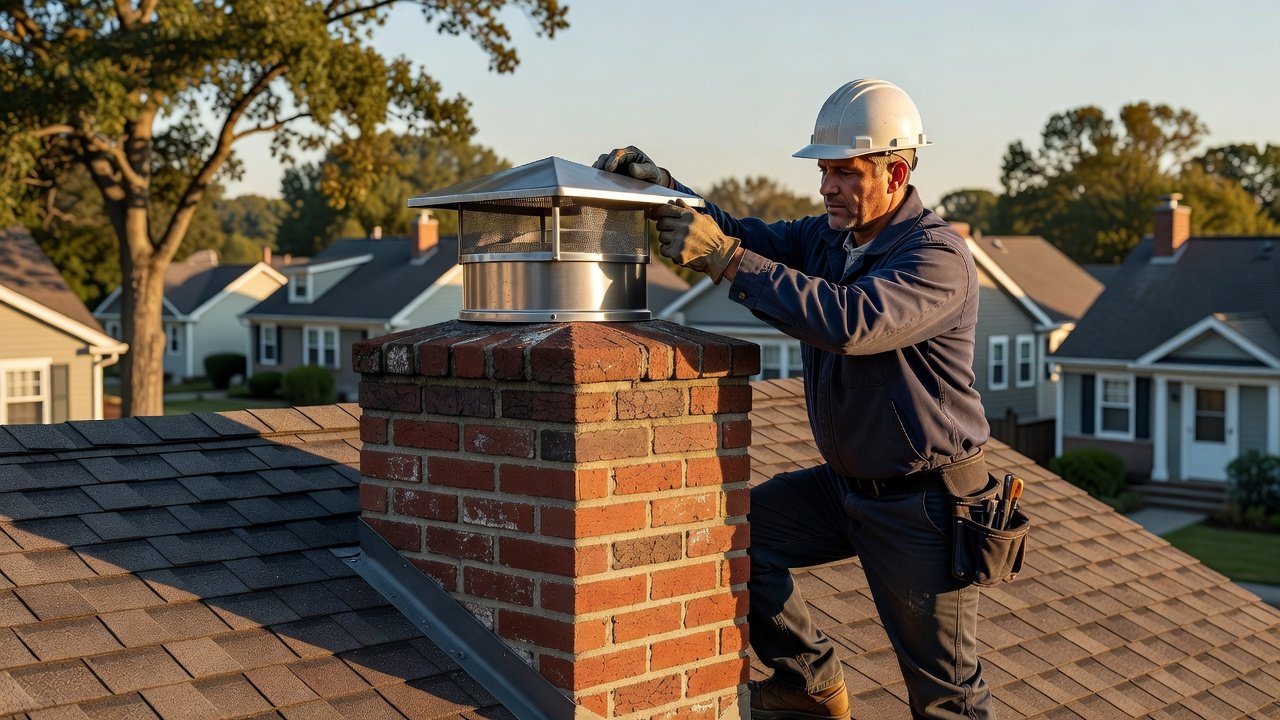
A properly designed cap can help keep precipitation and animals out. Some chimney caps also incorporate spark-arrestor screening. New York’s current Residential Code contains specific requirements for masonry chimney caps, rain caps, and spark arrestors. For example, the code addresses screen opening dimensions, corrosion resistance, access for cleaning, and the net free area beneath a rain cap.
Material selection also matters. Stainless steel is one option for chimney caps, but homeowners should choose a product appropriate for the chimney and its exposure rather than assuming one material is suitable for every installation.
The price of a chimney cap can vary considerably based on its size, design, material, and whether it is a standard or custom installation. A contractor should evaluate the chimney before providing a final quote.
“I Can Install It Myself on a Saturday”
Installing a chimney cap may appear straightforward from the ground, but the job can involve more than attaching a cover to the flue.
The chimney top should be evaluated before installation. The crown, flashing, masonry, flue termination, and existing cap should be checked for visible damage or other conditions that could affect the installation. CSIA inspection guidance specifically includes examining the crown, flashing, rain cap, and overall chimney condition.
The cap also needs to fit the actual chimney configuration. A loose, poorly secured, or improperly sized cap can create problems in windy conditions.
There is also a significant safety issue. Accessing a chimney from a roof can involve fall hazards. Homeowners who are not equipped or experienced for roof work should leave the installation to a qualified professional.
“New Chimneys Don’t Need Caps Right Away”
A newer chimney should not automatically be assumed to be protected.
The important question is what was actually installed and whether the chimney termination is appropriate for the system. A new or recently renovated home can still have a damaged, missing, improperly fitted, or inadequate cap.
New York’s current code specifically addresses masonry chimney caps, rain caps, and spark arrestors. The 2025 Residential Code became fully effective on December 31, 2025.
If you recently purchased a home or completed a renovation, have the chimney evaluated rather than assuming the top was completed correctly.
“If There Was an Animal Problem, I’d Hear It”
Animals and birds can enter an open chimney without creating an obvious disturbance inside the home. Nesting material or other debris can also obstruct a flue.
Chimney swifts are a particularly important consideration because they use open masonry chimneys for nesting and roosting. The U.S. Fish and Wildlife Service identifies chimney swifts as protected migratory birds under the Migratory Bird Treaty Act.
Federal regulations now include a specific authorization for prompt removal of migratory birds, nests, eggs, and nestlings from the interior of buildings when the birds are disrupting normal use, creating health or safety risks, damaging property inside, or at risk of becoming trapped.
That means homeowners should not simply remove an occupied nest on their own. If birds are present, determine the species and applicable protections before taking action.
A properly designed cap can help prevent unwanted animal entry, but the installation should also account for any existing wildlife use.
What a Proper Chimney Cap Installation Involves
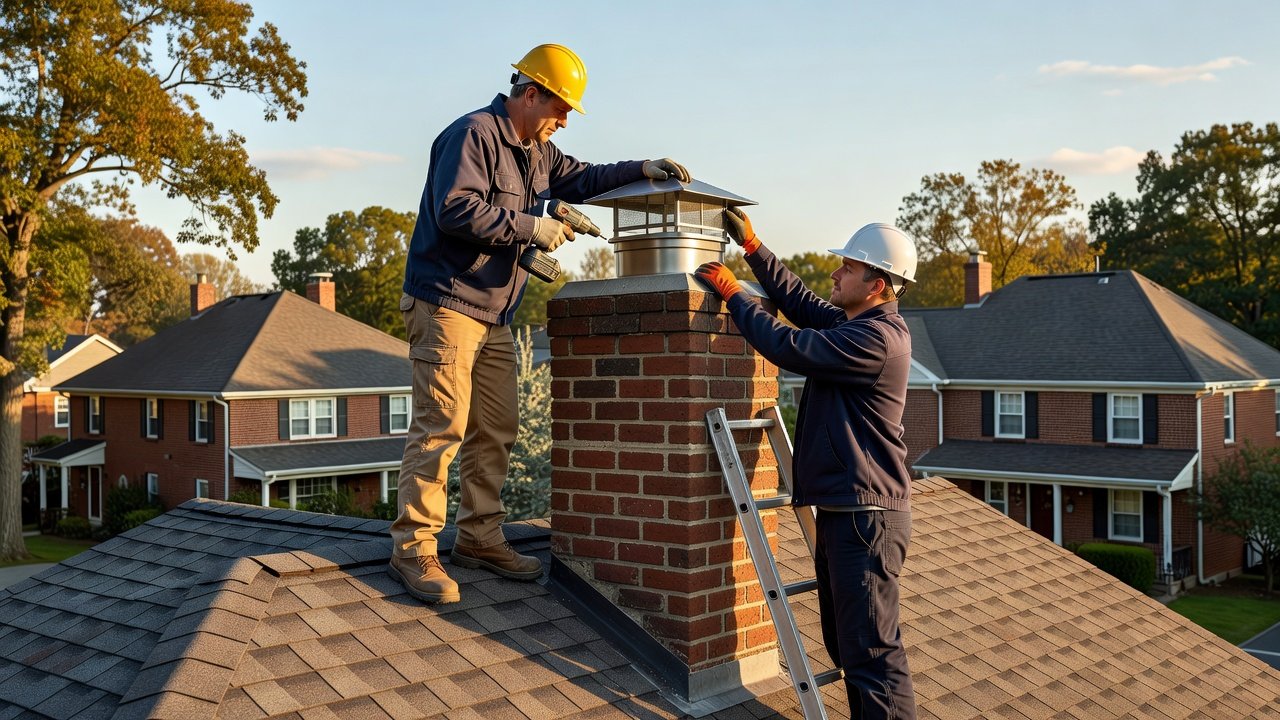
A professional installation should begin with an evaluation of the chimney top. The technician can examine the crown, flashing, masonry, flue termination, and existing cap before recommending a replacement.
The flue and chimney dimensions should be measured accurately. The selected cap should fit the chimney configuration and provide appropriate clearance for the flue gases.
If the crown or masonry is damaged, those issues may need to be addressed before the cap is installed. Installing a new cap does not correct an underlying structural or water-intrusion problem.
The fastening method also depends on the cap design and chimney construction. The technician should verify that the cap is secure and that any screening or spark-arrestor components meet applicable requirements.
CSIA recommends annual chimney inspections for soundness, deposits, and clearances, with cleaning, maintenance, and repairs performed when necessary.
Choosing a Chimney Professional in Lynbrook
If you are unsure whether your chimney has a cap or whether the existing one needs replacement, start with an inspection of the chimney top.
Ask the contractor what condition the crown, flashing, masonry, and flue termination are in before approving the installation. Request an explanation of why a particular cap design and material are appropriate for your chimney.
It is also reasonable to ask whether the contractor holds relevant chimney credentials and whether the proposed work complies with applicable New York requirements.
A chimney cap is a relatively small part of the overall chimney system, but proper design and installation can help protect the system from weather exposure, animals, and debris. Taking the time to evaluate the chimney before installation can help prevent a new cap from being installed over an existing problem.
Related from Baldwin Chimney: Chimney Sweep Services in Baldwin, NY · Chimney Repair in Baldwin · Chimney Repair in Baldwin, NY — Fixing the Damage Before It Gets Expen