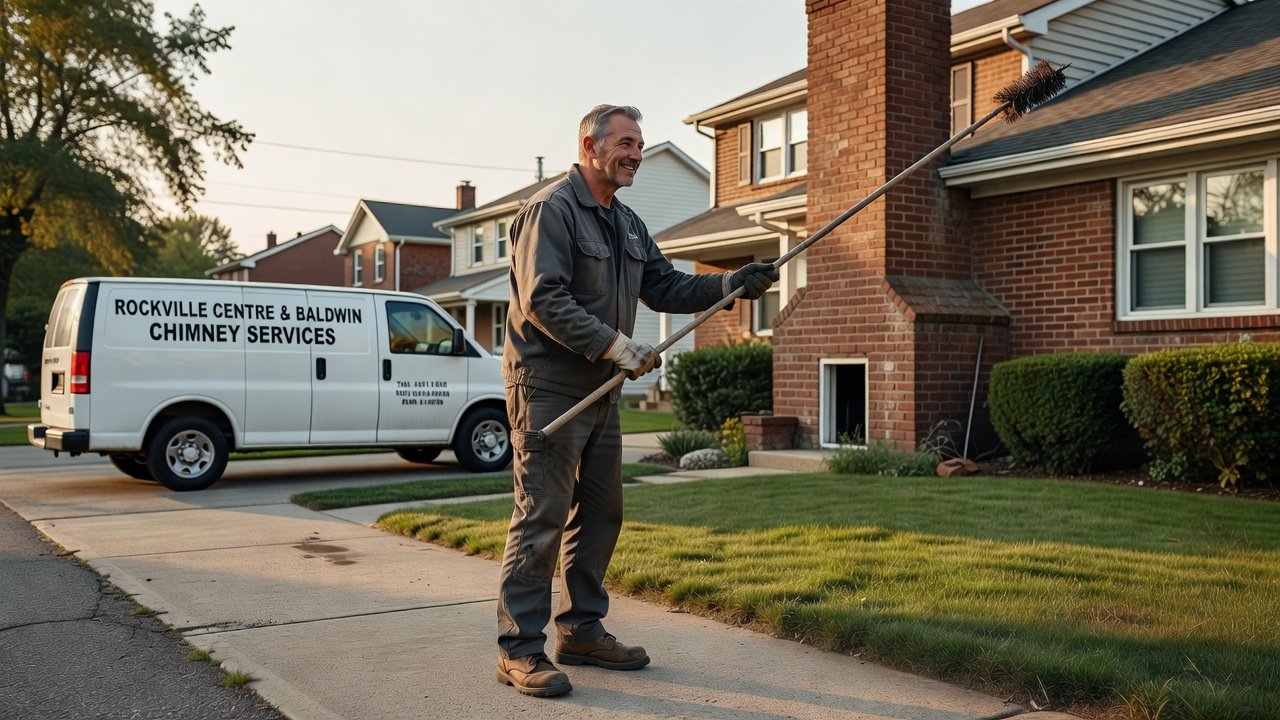
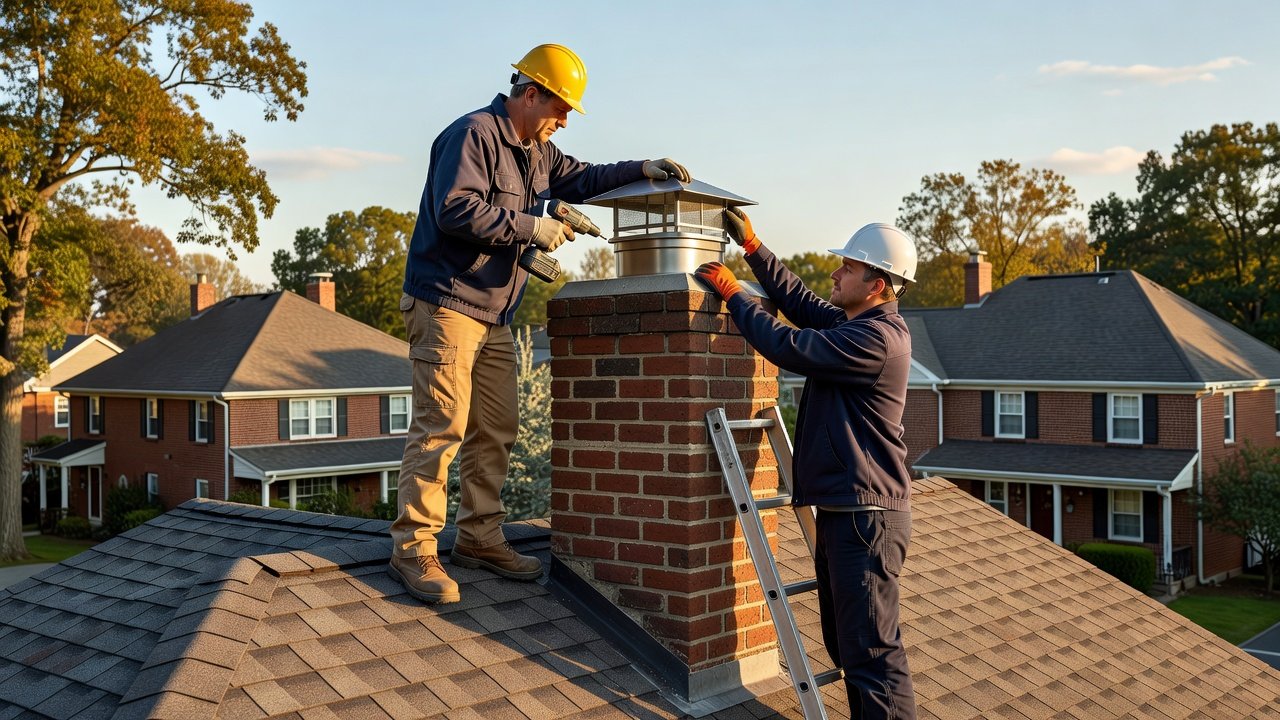
Fireplace Cleaning Near Baldwin, NY: What Wantagh Homeowners Should Actually Check Before Hiring Anyone
Most chimney problems don’t start with a fire. They start with the wrong contractor.
Baldwin and Wantagh are close enough geographically that many Wantagh homeowners search for nearby chimney companies, see a low price and a polished website, and book without asking basic qualifying questions. The result can be a sweep who misses a cracked liner, provides a vague “Level 2 inspection,” or hands over documentation that doesn’t tell you much about the actual condition of the chimney.
Before hiring anyone for fireplace cleaning, it helps to understand what a proper service visit should include, what problems may be discovered, and what separates a qualified chimney professional from someone with a van and a brush.
What Wantagh Fireplaces Actually Deal With
South Shore Long Island homes, particularly older colonials and capes built in Wantagh from the 1950s through the 1980s, can experience several recurring chimney problems.
Salt air from the bay can accelerate mortar deterioration. Nassau County’s freeze-thaw cycles can also put significant stress on masonry. Older flue tile systems may have been designed for oil-burning appliances that were later replaced with gas inserts or wood-burning stoves, creating different venting and combustion requirements.
These conditions create predictable problems that an experienced chimney professional should know how to identify.
Six Problems That Can Show Up During Proper Fireplace Cleaning
1. Creosote Beyond the First Stage
Creosote is one of the most familiar chimney problems, but not every buildup is the same.
First-stage creosote is generally dusty and easier to brush away. Second-stage buildup is more flaky and crunchy. Third-stage creosote is a hardened, tar-like glaze that is much more difficult to remove.
Symptoms can include a persistent odor after burning, changes in fireplace performance, or smoke entering the room.
A qualified sweep should determine the condition of the buildup before beginning the cleaning. Heavy or glazed deposits may require specialized cleaning methods rather than simply applying more pressure with a standard brush.
2. Cracked or Offset Clay Flue Tiles
Cracked or shifted clay flue tiles can be difficult for homeowners to identify from the fireplace opening.
You may notice a faint smoke odor, unusual draft behavior, or other signs that combustion gases are not moving through the flue properly. A Level 2 inspection with video scanning can provide a much clearer view of the liner’s condition.
Depending on the location and severity of the damage, repairs may involve sectional tile replacement or installation of a new liner system.
3. Mortar Joint and Crown Deterioration
Wind-driven rain and Long Island weather can take a toll on chimney crowns and mortar joints.
When the crown develops cracks, water can enter the masonry and contribute to deterioration below the roofline. White staining, known as efflorescence, or pieces of deteriorating mortar may indicate that moisture is moving through the chimney.
A professional should inspect the crown and surrounding masonry during the visit.
Depending on the condition, repairs may involve a crown coating, crown repair, or full reconstruction.
4. Draft Problems Caused by Negative Air Pressure
Not every smoke problem means the chimney is dirty.
Tightly insulated homes can develop negative air pressure when kitchen exhaust fans, bathroom fans, HVAC systems, or other equipment remove more air from the home than can easily be replaced.
The result can be poor fireplace draft or smoke rollout.
A qualified chimney professional should consider the home’s airflow and pressure conditions rather than automatically blaming the chimney. Depending on the cause, the solution may be as simple as providing additional combustion air or making changes to the home’s ventilation.
If a contractor immediately recommends an expensive chimney repair without investigating the draft problem, ask for an explanation.
5. Damper Failure
A damaged damper can create both comfort and performance problems.
A damper that does not close properly can allow cold outside air into the home when the fireplace is not being used. A damper that is stuck partially open can also affect how the fireplace drafts.
Corrosion and warping are common causes in older masonry fireplaces that have experienced years of moisture and heat cycling.
Depending on the fireplace, repair may involve replacing the existing damper or installing a top-mounted damper.
6. Animal Intrusion and Blockages
Uncapped or damaged chimney openings can become attractive nesting locations for birds, squirrels, raccoons, and other animals.
Homeowners may hear scratching or movement, notice nesting material, or suddenly experience a significant change in fireplace draft.
A professional should determine whether an obstruction is present before attempting to clean the flue. Removing or disturbing nesting material without understanding what is inside the chimney can create additional problems.
After the obstruction is removed, a properly fitted chimney cap can help prevent future animal intrusion.
How to Hire the Right Person for the Job
The Chimney Safety Institute of America, or CSIA, provides certification for chimney professionals who meet its requirements. Homeowners should verify a contractor’s certification directly rather than relying solely on an advertisement or sales pitch.
For work involving gas fireplace systems, homeowners may also want to ask about National Fireplace Institute, or NFI, certification.
Before hiring a contractor, ask:
- Do you use video camera inspection when the condition of the flue needs further evaluation?
- What inspection level do you recommend, and why?
- Can you provide a written report with photographs?
- What standards guide your inspection process?
- Do you carry liability insurance?
- What exactly is included in the cleaning price?
A contractor should be able to explain the difference between Level 1, Level 2, and Level 3 inspections and explain why a particular level is appropriate for your situation.
Red Flags to Watch For
Be cautious about unusually low prices, especially when the scope of work is unclear.
Other warning signs include:
- High-pressure repair recommendations immediately after arrival
- No verifiable business information
- No proof of insurance
- Inspection documentation provided without a meaningful inspection
- A contractor who cannot explain what the recommended inspection level includes
- Large repair recommendations without photographs or other supporting documentation
A low quote is not automatically a bad quote, but you should understand exactly what is included before comparing it with another contractor’s estimate.
What Fireplace Cleaning Costs in Wantagh and Baldwin
A standard wood-burning fireplace cleaning with a basic Level 1 inspection in the Wantagh and Baldwin area may fall around $150 to $250, depending on the chimney, access, buildup, and scope of service.
Additional services, such as camera inspections, liner repairs, crown work, damper repairs, chimney caps, or animal removal, should generally be explained and priced separately.
When comparing estimates, make sure you’re comparing the same scope of work. A cheaper quote may simply include fewer services.
Get Your Chimney Checked Before the Busy Season
If your fireplace has not been cleaned or inspected recently, don’t wait until the first cold weekend to start calling contractors.
Ridgewood Chimney provides chimney inspection and cleaning services for homeowners throughout Nassau County, including Wantagh, Baldwin, Merrick, and surrounding communities. Our technicians are CSIA certified and carry liability insurance. We document what we find and explain what needs attention before recommending additional work.
Contact Ridgewood Chimney to schedule your inspection before the fall rush begins.
Related from Baldwin Chimney: Chimney Cleaning in Baldwin, NY
Our services
Creosote Removal in Baldwin, NY Before One Cold Night Bec… · Chimney Cleaning in Baldwin, NY · Professional Chimney Repair in Baldwin, NY · Chimney Sweep in Baldwin Harbor · Chimney Cap Replacement, Liners & Dampers in Baldwin, NY · Chimney Repair in Freeport
Areas we serve
Dryer Vent Cleaning Baldwin, NY · Baldwin, NY · Baldwin, NY · All areas →