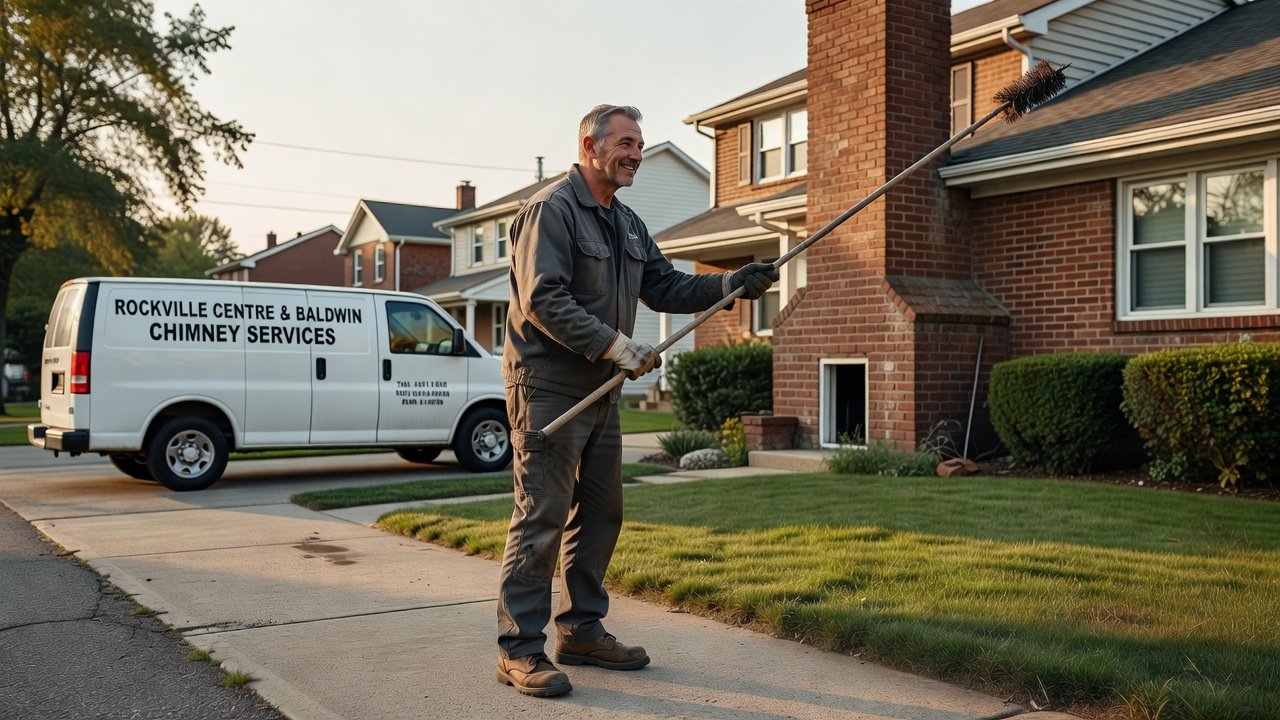
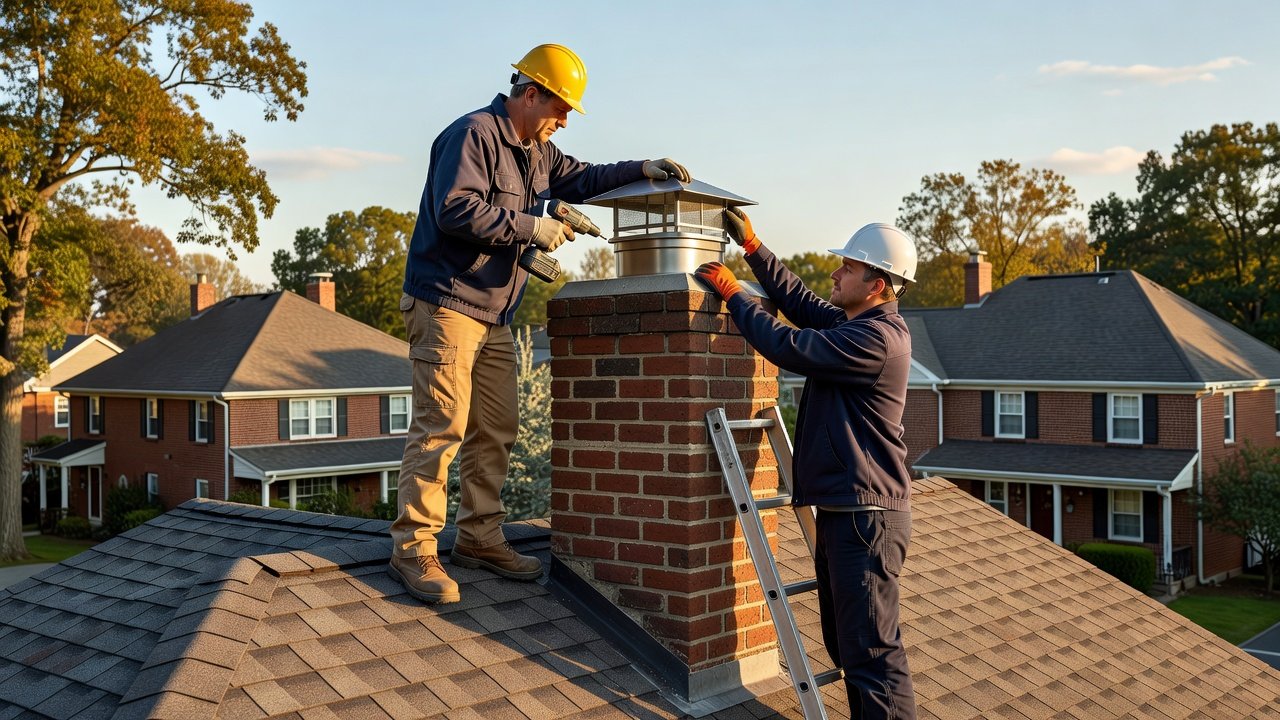
When to Schedule Chimney Waterproofing in Baldwin and Oceanside, NY
Water damage is one of the leading causes of chimney deterioration, yet it often develops so gradually that homeowners don’t recognize the problem until expensive repairs become necessary. In Baldwin and Oceanside, where coastal weather, salt air, and seasonal freeze-thaw cycles constantly attack masonry, delaying chimney waterproofing can significantly shorten the life of your chimney.
Understanding the right time to waterproof your chimney—and avoiding common mistakes—can help protect your home from costly structural damage while extending the lifespan of your chimney system.
Why Chimneys in Baldwin and Oceanside Need Waterproofing
Homes throughout Baldwin and Oceanside experience challenging weather conditions that accelerate masonry deterioration.
Several environmental factors contribute to chimney damage, including:
- Approximately 46 inches of annual rainfall.
- Coastal humidity.
- Salt air exposure from the Atlantic Ocean.
- Winter freeze-thaw cycles.
- Strong seasonal storms.
- Temperature fluctuations throughout the year.
Brick naturally absorbs moisture. When water enters small cracks in the masonry and temperatures drop below freezing, that moisture expands. Over time, repeated freeze-thaw cycles can lead to cracked bricks, deteriorating mortar joints, chimney crown damage, and structural instability.
Professional chimney waterproofing helps reduce water penetration while allowing masonry to breathe naturally.
Late Summer Is the Best Time to Waterproof a Chimney
For homeowners in Baldwin and Oceanside, late summer through early fall is generally the ideal time to schedule chimney waterproofing.
August through early October provides the best conditions because:
- Chimneys are usually dry after summer weather.
- Temperatures remain warm enough for proper curing.
- Contractors have greater scheduling flexibility before the busy fall season.
- Repairs can be completed before colder weather arrives.
Professional waterproofing should always follow a complete chimney inspection.
Before applying any water repellent, an experienced chimney technician should evaluate:
- Mortar joints.
- Chimney crown condition.
- Flashing.
- Brick deterioration.
- Chimney cap condition.
- Flue integrity.
If repairs such as tuckpointing or crown restoration are needed, they should be completed before waterproofing begins.
Why Waiting Until Fall Creates Problems
Many homeowners wait until October or November to schedule chimney maintenance because they begin thinking about using their fireplace.
Unfortunately, this is often when scheduling becomes most difficult.
Late-season waterproofing presents several challenges:
- Colder temperatures can interfere with proper curing.
- Repair work may be delayed by changing weather conditions.
- Contractor availability becomes limited.
- Emergency fireplace repairs become more common.
Another frequent mistake is applying waterproofing over an already damaged chimney.
Waterproofing products are designed to prevent water intrusion—not hide existing structural problems.
If cracked mortar, damaged crowns, or deteriorating flashing are left unrepaired, moisture may remain trapped inside the chimney, leading to even greater damage over time.
Choosing the Right Waterproofing Product Matters
Not every masonry sealer is appropriate for chimneys.
Professional chimney waterproofing products are vapor permeable, allowing trapped moisture inside the masonry to escape while preventing additional rainwater from entering.
High-quality silane-siloxane water repellents are commonly recommended because they:
- Resist rain penetration.
- Allow masonry to breathe.
- Reduce freeze-thaw damage.
- Help prevent brick spalling.
- Protect mortar joints.
Using non-breathable sealers may trap moisture inside the masonry and accelerate deterioration, especially in coastal climates like Oceanside and Baldwin.
Why Winter Is Too Late
Many homeowners assume winter is simply inconvenient for chimney waterproofing because of colder temperatures.
The larger concern is that water damage has often already begun long before winter arrives.
By January and February:
- Moisture inside masonry begins freezing.
- Expanding ice widens existing cracks.
- Brick faces begin to spall.
- Mortar joints weaken.
- Chimney crowns may crack.
- Interior chimney liners can also suffer damage.
Once freeze-thaw deterioration starts, waterproofing cannot reverse the damage that has already occurred.
Instead, homeowners should schedule an inspection during winter if problems are suspected and plan repairs and waterproofing as soon as weather conditions improve.
Spring Is an Excellent Alternative
If late summer scheduling is missed, spring is another excellent opportunity.
April and May typically provide:
- Mild temperatures.
- Good curing conditions.
- Moderate rainfall.
- Better contractor availability.
- Time to complete repairs before the next winter season.
Spring inspections also reveal damage that developed during winter.
Common warning signs include:
- White efflorescence on exterior brick.
- Water stains near the fireplace.
- Missing mortar.
- Loose bricks.
- Rusted damper components.
- Interior moisture around the chimney.
Addressing these problems early helps prevent additional deterioration throughout the year.
How Much Does Chimney Waterproofing Cost?
For most single-flue chimneys in Baldwin and Oceanside, professional chimney waterproofing generally costs between $250 and $500.
Several factors influence pricing, including:
- Chimney height.
- Accessibility.
- Overall masonry condition.
- Size of the chimney.
- Amount of preparation required.
If repairs are needed before waterproofing, additional services may include:
- Tuckpointing.
- Crown repair.
- Flashing repair.
- Brick replacement.
Repair costs vary depending on the extent of the damage, but addressing problems early is almost always far less expensive than rebuilding an entire chimney.
Don’t Wait Until Fireplace Season
The best time to waterproof a chimney is before you actually need to use it.
Waiting until the first cold weekend of autumn often results in scheduling delays, rushed repairs, or postponing maintenance until the following spring.
Routine inspections and preventative waterproofing help extend the life of your chimney while reducing the likelihood of expensive structural repairs in the future.
Frequently Asked Questions
1. How often should a chimney be waterproofed?
Most professionally applied chimney waterproofing treatments last approximately 5 to 10 years, depending on weather exposure, chimney condition, and the product used.
2. Can chimney waterproofing stop existing leaks?
Waterproofing helps prevent future water intrusion but does not repair existing structural problems. Cracked mortar, damaged flashing, or chimney crown deterioration should be repaired before waterproofing is applied.
3. Is chimney waterproofing necessary if my chimney looks fine?
Yes. Many water-related problems begin inside the masonry long before visible damage appears. Preventative waterproofing helps reduce long-term deterioration.
4. What are signs my chimney needs waterproofing?
Common signs include white staining (efflorescence), cracked mortar joints, loose bricks, water stains near the fireplace, musty odors, or visible moisture around the chimney.
5. When is the best time to schedule chimney waterproofing?
Late summer through early fall is generally the best time because warm, dry weather allows repairs and waterproofing products to cure properly before winter arrives.
Schedule Your Free Chimney Inspection Today
If your chimney has never been waterproofed or if it has been more than five years since the last treatment it may be time for a professional inspection.
Ridgewood Chimney proudly serves homeowners throughout Baldwin, Oceanside, Rockville Centre, Freeport, Long Beach, Hempstead, and communities across Nassau County. Our experienced chimney specialists provide comprehensive chimney inspections, waterproofing, masonry repairs, tuckpointing, chimney crown restoration, flashing repairs, chimney caps, and fireplace maintenance. We carefully evaluate your chimney’s condition before recommending waterproofing, so your investment provides lasting protection against Long Island’s challenging coastal weather. Contact Ridgewood Chimney today to schedule your free chimney inspection and keep your chimney protected year-round.
Areas we serve
Dryer Vent Cleaning Baldwin, NY · Baldwin, NY · Baldwin, NY · All areas →